
How Proper Installation Prevents Cracking and Settling
Proper installation by local contractors ensures a stable, well-prepared foundation that helps prevent cracking and settling in your concrete driveway.
Understanding how proper installation prevents cracking and settling is essential for property owners looking to maintain the integrity and appearance of their concrete surfaces. Poor installation practices can lead to uneven settling, surface cracks, and long-term structural issues that may require costly repairs down the line. For those in the area considering a new driveway or upgrading existing concrete, exploring this topic can provide valuable insights into how quality workmanship from local contractors can help ensure a durable, long-lasting result. Keep reading to discover practical reasons why investing in proper installation techniques is a smart move for preserving the value and safety of your property.
Local service providers specializing in concrete driveway installation understand the importance of precise preparation, proper materials, and correct placement methods. These factors play a crucial role in preventing common problems like cracking and settling, which often stem from inadequate groundwork or improper curing. Property owners interested in a reliable, resilient driveway should explore how experienced contractors prioritize these steps to deliver a finished product that withstands daily use and environmental stresses. Continuing to learn about these practices can help you make informed decisions when selecting a contractor for your next concrete project.
- Concrete driveway installation services are essential when replacing an aging or damaged driveway to ensure proper support and durability. Local contractors focus on preparing the subgrade thoroughly to prevent uneven settling that can lead to cracks. Proper joint placement and finishing techniques by service providers help control where cracking occurs and minimize its appearance. When installing new driveways in areas prone to shifting or soil movement, local pros adapt their methods to address these challenges effectively. Regularly maintaining and sealing the driveway after installation can also help prevent issues related to settling and cracking over time.

When homeowners search for information about how proper installation prevents cracking and settling, they are often concerned about the durability and longevity of their concrete surfaces. Cracks and uneven settling can compromise the appearance and safety of driveways, patios, or walkways, leading to costly repairs or replacements down the line. This topic is closely related to the planning and execution stages of concrete projects, emphasizing the importance of careful site preparation, quality materials, and precise techniques. Understanding how proper installation methods address these issues helps homeowners make informed decisions and highlights the role of experienced service providers in ensuring a successful outcome.
Problems associated with cracking and settling typically arise from improper preparation or installation practices. For example, inadequate soil compaction, poor base material, or failure to control joints can allow the ground beneath the concrete to shift or settle unevenly. These issues are common in properties with expansive soils, uneven terrain, or areas prone to moisture fluctuations. Whether the project involves a residential driveway, commercial parking lot, or a decorative patio, the underlying ground conditions and how they are managed during installation directly influence the likelihood of future problems. Proper planning and execution by skilled contractors can significantly reduce these risks and improve the lifespan of the concrete.
The types of properties where proper installation is especially critical include residential homes, commercial sites, and multi-unit developments. Residential driveways and walkways are often subjected to daily use and exposure to weather, making them vulnerable to cracking if not installed correctly. Commercial properties with large parking lots require a stable foundation to support heavy vehicle traffic without settling or cracking. Multi-family complexes or public spaces also demand precise installation to prevent uneven surfaces that could pose safety hazards. In all these cases, the expertise of local service providers who understand the specific demands of different property types can make a substantial difference in preventing common issues like cracking and settling.
Proper installation practices involve several key steps that help prevent future problems. These include thorough site assessment, ensuring proper soil compaction, using quality materials, and installing control joints at appropriate intervals. Additionally, a well-designed base layer and proper curing techniques contribute to a stable, durable surface. Local contractors specializing in concrete driveway installation can evaluate each property's unique conditions and recommend tailored solutions. By focusing on these critical aspects during installation, homeowners can significantly reduce the chances of cracking and settling, ultimately extending the life of their concrete surfaces and maintaining their property's value.
Concrete patio construction - requires careful planning and proper installation techniques to ensure stability and prevent cracking and settling over time, similar to driveway projects.
Foundation repair and leveling - involves soil assessment and precise work to maintain structural integrity, paralleling the importance of proper driveway installation to prevent future issues.
Sidewalk and walkway installation - demands attention to subgrade preparation and joint placement, which are key factors in avoiding cracks and settling in concrete surfaces.
Garage floor pouring - benefits from proper reinforcement and curing methods to minimize cracking, reflecting best practices used in driveway installation services.
Pool deck construction - relies on proper surface preparation and expansion joints to prevent damage, similar to techniques used in preventing cracking and settling in driveways.
Driveway sealing and maintenance - emphasizes the importance of timely repairs and surface care to extend lifespan and prevent issues caused by improper installation practices.
When comparing local contractors for concrete driveway installation, it is important to consider their experience with similar projects. Homeowners should look for service providers who have a proven track record of properly installing driveways in conditions similar to their own. An experienced contractor will understand how to prepare the ground, choose appropriate materials, and implement techniques that help prevent common issues like cracking and settling. Asking for details about past projects or requesting references can provide insight into their familiarity with proper installation practices and their ability to deliver durable results.
Clear written expectations are essential when evaluating potential service providers. Homeowners should seek detailed proposals that outline the scope of work, the steps involved in the installation process, and the methods used to ensure a stable, long-lasting driveway. Having a comprehensive plan helps prevent misunderstandings and ensures that the contractor prioritizes proper installation techniques that mitigate cracking and settling. Service providers who communicate openly about their approach and can provide thorough explanations are more likely to align with the homeowner’s goals for a quality, durable driveway.
Reputable references and good communication are key indicators of a reliable contractor. Homeowners should inquire about previous clients’ experiences and seek feedback on the contractor’s professionalism, responsiveness, and ability to meet project expectations. A contractor who maintains clear and consistent communication throughout the process demonstrates a commitment to transparency and quality. These qualities are important because they help ensure that the installation process will be handled with care and attention to detail, ultimately supporting the prevention of issues like cracking and settling through proper installation practices.
Property owners often search for how proper installation prevents cracking and settling when they are planning practical projects around their homes and businesses. Local pros provide Concrete Driveway Installation services for everyday jobs and straightforward project options.
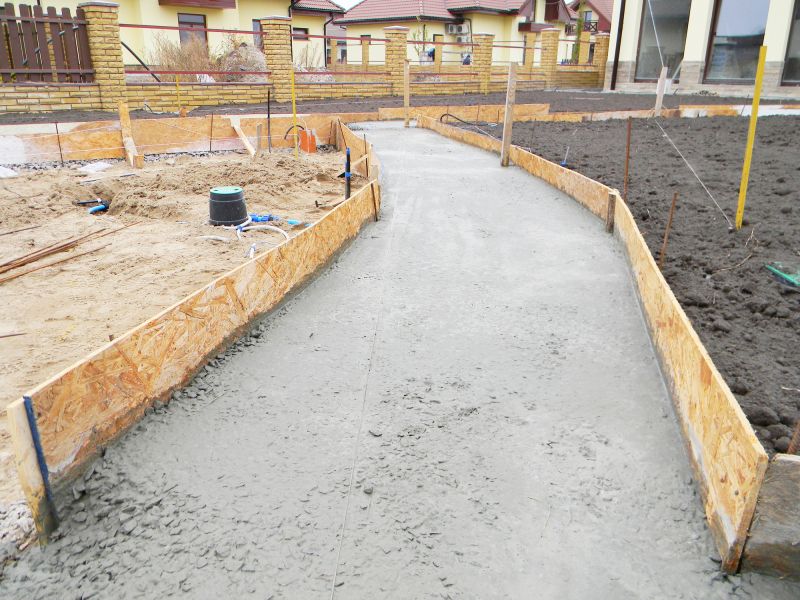
Proper installation plays a crucial role in preventing cracking and settling in concrete driveways. When local contractors carefully prepare the subgrade, ensure proper drainage, and use quality materials, it reduces the risk of uneven settling and surface cracks over time. Properly placed reinforcement and control joints also help accommodate small movements in the concrete, minimizing the chances of unsightly damage that can develop due to shifting or moisture issues. For property owners in the area considering a new driveway, choosing experienced service providers who understand these essential installation practices can lead to a longer-lasting, more durable surface.
Many everyday situations highlight the importance of proper installation for concrete driveways. For instance, heavy vehicles or frequent foot traffic can cause stress that leads to cracks if the driveway isn’t installed correctly from the start. Additionally, local soil conditions, such as expansive clay or loose fill, can contribute to settling if not properly addressed during installation. Engaging local contractors familiar with the area's specific challenges can help ensure the driveway is installed with techniques that prevent future problems, saving property owners from costly repairs and maintaining a smooth, stable surface for years to come.
How does proper installation prevent cracking in concrete driveways? Proper installation ensures that the concrete is placed and finished correctly, reducing stress points that can lead to cracks. Local contractors follow best practices for mixing, pouring, and curing to enhance durability and minimize cracking risks.
In what ways does proper installation help prevent settling issues? Proper site preparation, including adequate soil compaction and a stable base, helps prevent uneven settling. Local service providers assess soil conditions and install suitable subgrades to support the driveway’s weight over time.
Why is soil preparation important for preventing cracking and settling? Soil preparation creates a solid foundation that reduces movement beneath the concrete, which can cause cracking or uneven settling. Experienced local pros evaluate soil stability and take necessary steps to prepare the site properly.
How does the use of control joints during installation reduce cracking? Control joints are strategically placed during installation to allow for controlled expansion and contraction, preventing random cracking. Local contractors incorporate these joints to improve the driveway’s longevity and appearance.
What role does proper curing play in preventing settling and cracking? Proper curing maintains moisture levels in the concrete, ensuring it gains strength uniformly and reduces shrinkage cracks. Local service providers follow curing protocols to enhance the durability of the driveway over time.
Proper site preparation - Ensuring the ground is well-compacted and free of debris helps prevent uneven settling that can cause cracks in the driveway.
Accurate slab thickness - Working with local contractors to determine the right thickness for the driveway based on usage reduces the risk of structural failure.
Control joint placement - Properly installed control joints allow for controlled cracking, minimizing unsightly cracks and settling issues over time.
Quality curing techniques - Proper curing methods by experienced service providers help achieve optimal concrete strength and durability, preventing future cracking.
If you are thinking about how proper installation prevents cracking and settling for a property, this guide is meant to help you understand this topic, the typical project types, and how different options might fit your plans.
When you are ready, you can use the quote form on this page to share a few details about your project. From there, local pros can review the basics and follow up with options that match what you have in mind.